
Confirm the download source
Check the address independently and make sure the publisher is credible before you install.
Read the guide ↗Explore self-custody fundamentals, local key handling, recovery phrase backups, multi-chain asset views and transaction checks with practical guidance for your first wallet setup.
Explore the getting started guide ↗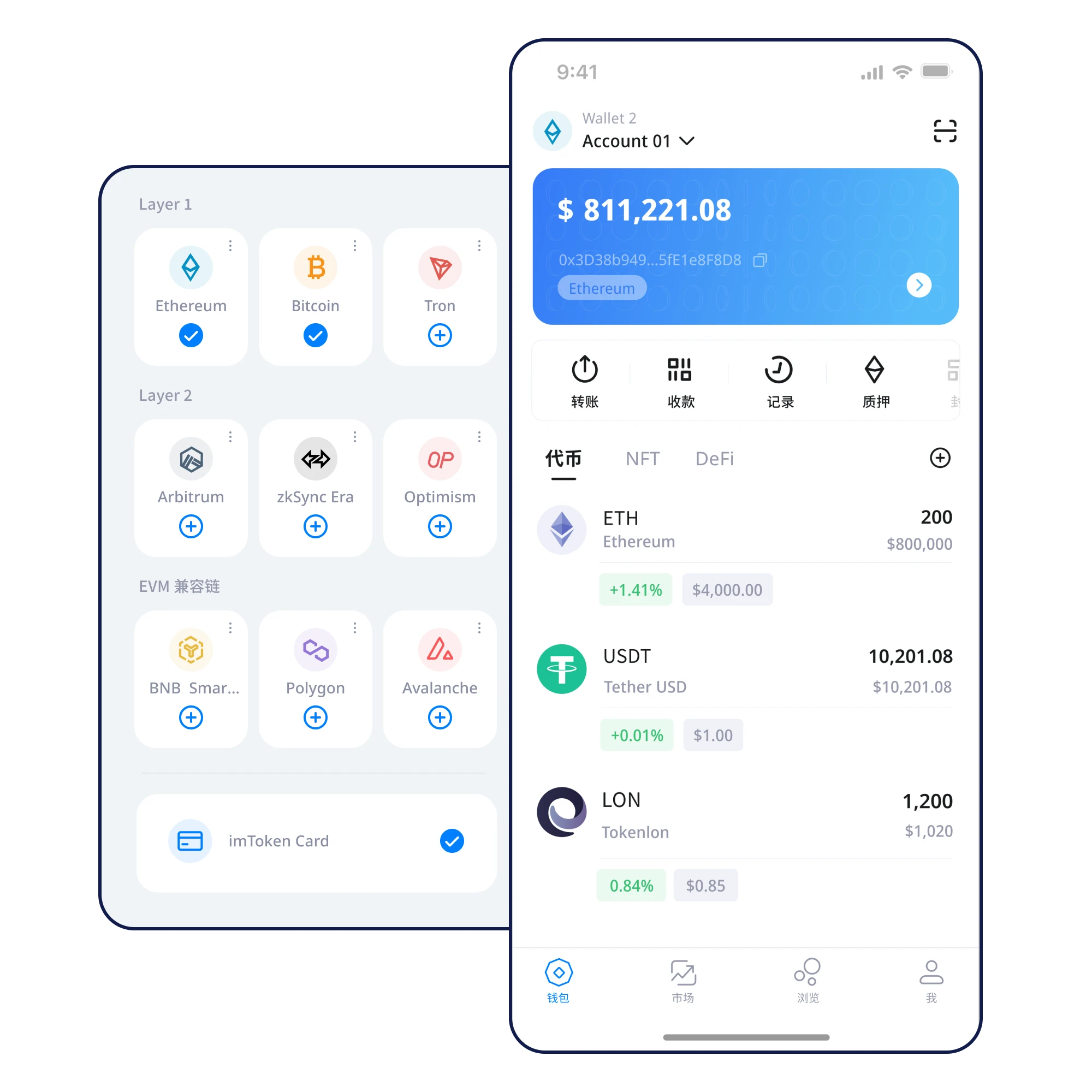
See illustrative assets, networks and backup status in one readable overview.
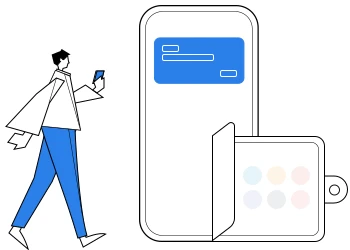
Check the address independently and make sure the publisher is credible before you install.
Read the guide ↗Set up a wallet on a trusted device and treat all recovery credentials as secrets.
Read the guide ↗Write down each word accurately and avoid screenshots or digital syncing.
Read the guide ↗Store the recovery record securely, verify its order and consider physical risks.
Read the guide ↗Learn why chains and token contracts matter before receiving funds.
Read the guide ↗Check address, network, asset, amount and fees before confirming.
Read the guide ↗Understand how self-custody connects credentials with device security.
Explore the guide ↗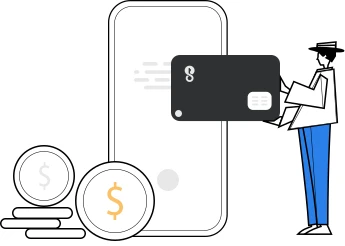
A reliable recovery record matters before a device fails.
Explore the guide ↗
Verify chain, recipient, permissions and amount before signing.
Explore the guide ↗
Keep credentials private and understand the responsibilities of self-custody.
Review network, address and amount before each approval.
Prepare a tested, offline path back to your wallet.
Browse by task, from getting started to risk prevention.
Prepare a trusted device, distinguish new wallets from imported ones, and review the essential checks for a safer first wallet setup without exposing your recovery phrase.
Read guide ↗Use illustrative BTC, ETH and USDT views to learn how token balances depend on networks, addresses and contract details, not simply asset names.
Read guide ↗Prepare an offline backup, verify the new installation, check restored addresses and securely retire the previous device when changing phones.
Read guide ↗Learn to identify look-alike domains, unsolicited links, malicious approvals and unexpected signing prompts, then pause and independently verify suspicious requests.
Read guide ↗Unverified links, credential requests and mismatched networks deserve a second look.
Self-custody means you are responsible for the credentials used to sign and recover transactions. Confirm the actual application terms; an interface preview is not a custody guarantee.
Live balance updates and broadcasting normally require connectivity. Offline backups and some signing methods can happen without a network connection.
Record it offline, confirm the order and protect it from unauthorized access. Avoid screenshots, cloud drives and sharing with anyone claiming to be support.
A private key controls an account, while a recovery phrase often reconstructs related keys. Both are sensitive wallet credentials.
Use verified software on a trusted device and your full recovery phrase, then check your accounts and addresses. Never send the phrase in chat.
Verify the source, prepare a backup and review the installation guidance before you begin.
⬇ Download NowKeep recovery credentials private. No one should request them.